
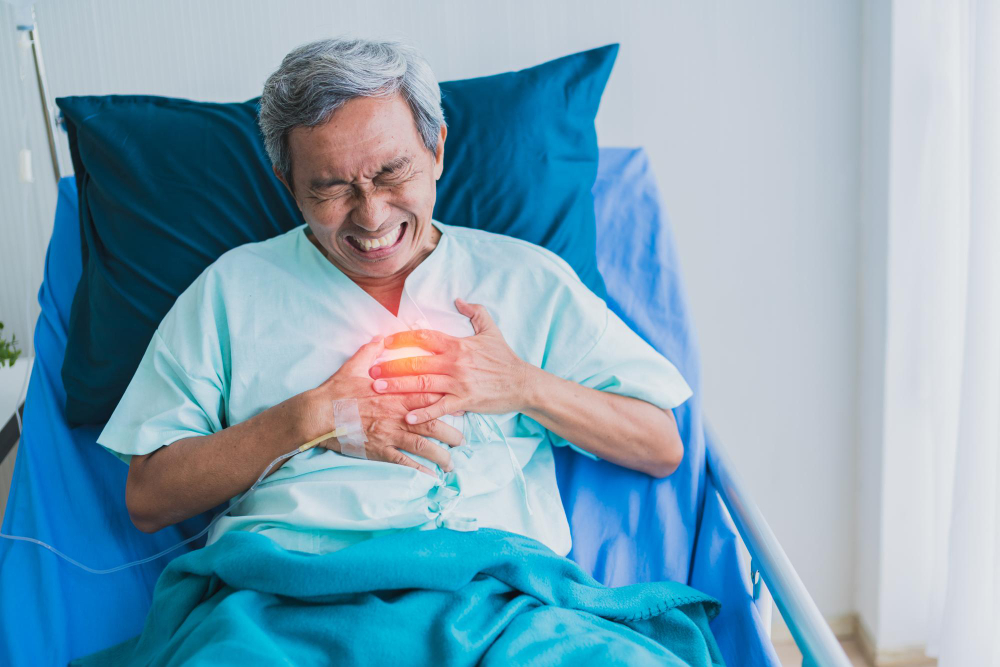
What is Cardiac Arrest?
Cardiac arrest is a sudden loss of heart function. When this happens, the heart stops pumping blood to the body. As a result, the brain and other organs do not get the oxygen they need. This is a life-threatening emergency. Many people ask, “What is cardiac arrest?” It is different from a heart attack, which is caused by blocked blood flow. Cardiac arrest can happen without warning, so knowing the signs is important. According to the American Heart Association, quick action can save lives.
Causes of Cardiac Arrest
There are several reasons why cardiac arrest may occur. Sometimes, it happens in people with no known heart problems. However, certain conditions increase the risk. For example, heart disease is a leading cause. Other causes include:
In addition, some people have a family history of sudden cardiac arrest. Therefore, knowing your risk factors is important.
Symptoms and Warning Signs
Cardiac arrest often happens quickly and without warning. Still, some people may notice signs before it occurs. Common cardiac arrest symptoms include:
Sometimes, warning signs appear minutes or hours before. For instance, you may feel:
If you notice these symptoms, seek help right away. Early action can make a big difference.
How Cardiac Arrest is Diagnosed
Doctors use several methods to diagnose cardiac arrest. First, they check if the person is responsive and breathing. Next, they look for a pulse. If there is no pulse, cardiac arrest is likely. In the hospital, doctors may use:
After the emergency, doctors may run more tests. These help find out why the cardiac arrest happened. This way, they can plan the best treatment.
Treatment Options for Cardiac Arrest
Immediate treatment is critical for cardiac arrest. Every second counts. The main steps include:
Once at the hospital, doctors may use medicines or advanced treatments. For example, they may use:
Quick treatment improves the chances of survival. Therefore, knowing how to respond is important.
Prevention Tips and Lifestyle Guidance
While not all cases can be prevented, you can lower your risk. Here are some tips on how to prevent cardiac arrest:
In addition, learn CPR and how to use an AED. These skills can save a life in your community.
When to Seek Emergency Help
If you or someone near you shows signs of cardiac arrest, act fast. Call emergency services right away. Start CPR if the person is not breathing or has no pulse. Use an AED if one is nearby. Remember, quick action can save a life. Do not wait for symptoms to go away. It is better to be safe and get help quickly.
Conclusion
Cardiac arrest is a serious emergency. Knowing the causes, symptoms, and treatment options can help you respond quickly. If you or someone you know experiences symptoms of cardiac arrest, seek emergency medical help immediately. For personalized advice, consult a healthcare professional.